

About Kamil Siegień
I started OBD2 Scout because diagnostic tool content online is mostly unusable. Most of it is written by people who have never plugged a scanner into a car with an actual fault. The rest is manufacturer marketing dressed up as independent advice. If you have tried to find out whether a specific scanner can actually read ABS codes on your exact car, or whether a Bluetooth dongle is worth anything beyond clearing a check engine light, you already know the problem. The answer is usually buried in a forum thread from 2018 or recycled across a dozen affiliate sites without anyone verifying it.
My background is marketing and SEO. That background makes it easy to see how bad content gets made and why it stays wrong. OBD2 Scout is built differently: verified functions, honest compatibility notes, and recommendations that account for what your specific vehicle can and cannot support.
Diagnostic Technician
Skoda Superb 1.8 TSI
Live Data Monitoring
Technical Background
The diagnostic side of this started seriously when I rebuilt a 2014 Skoda Superb 1.8 TSI. Not a basic service job. I pulled the engine, worked through the bottom end, and tuned it from the factory 160 hp to 222 hp. That kind of project forces you to understand fuel trim behavior, short-term and long-term adaptation values, injector deviation readings, and how the ECU responds to hardware changes in real time. A code reader gets you nowhere on a project like that. You need live data, and you need to know what the numbers actually mean.
Working for BMW and MINI gave me a different way to evaluate scan tools. Professional technicians do not care how many reset functions appear in a spec sheet. They care which module they can access on a specific model year, whether the tool can trigger a particular actuator, and whether the software is still being maintained. That experience made it hard to take the vague capability claims in most scan tool marketing at face value.
At BMW and MINI, the primary diagnostic platform was ISTA/D for guided fault tree diagnosis and ISTA/P for programming and coding. Working in that environment means learning to navigate module-level access across N-series petrol engines, B-series four-cylinders, and the full range of chassis electronics: ABS, DSC, EPS, and active suspension units. What that work teaches above all else is the difference between a generic fault code and a guided diagnostic path. Generic codes tell you which system is affected. Manufacturer-level access narrows it to a component, a wiring segment, or a specific adaptation value that has drifted out of acceptable range.
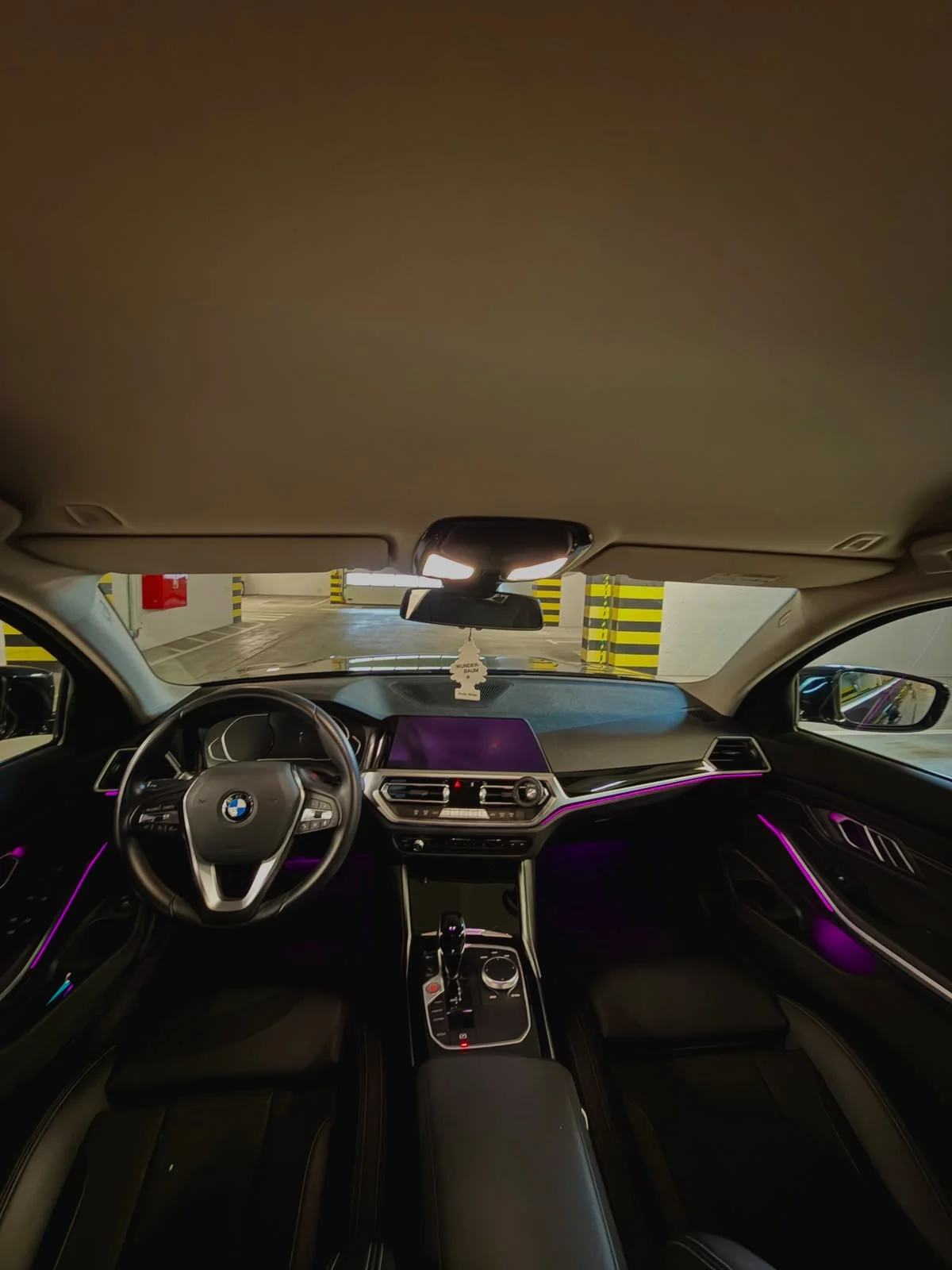
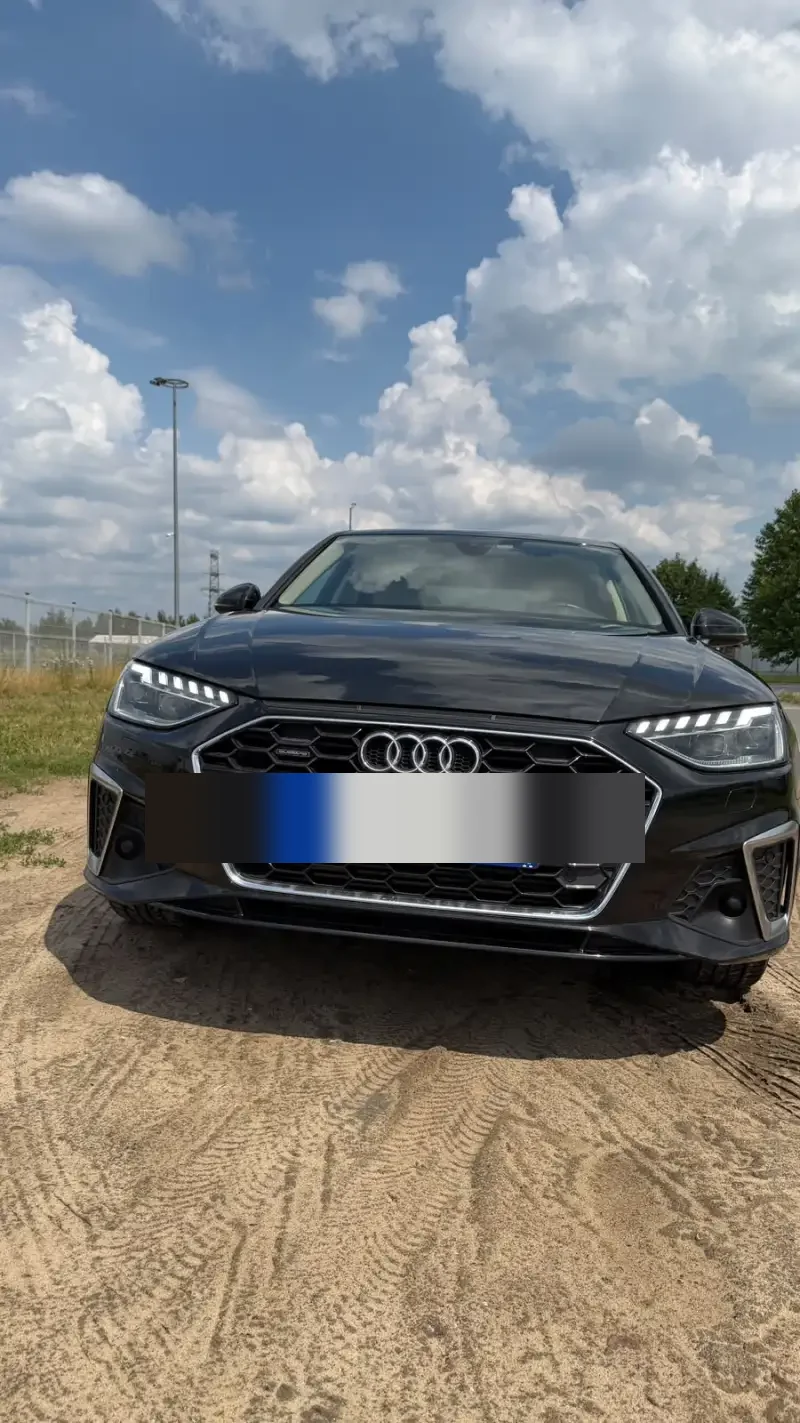
I used to drive a 2022 BMW G20 3 Series, and my current car is an Audi A4 2.0 TFSI. I connect a scanner to it regularly, not because something is wrong, but because live data tells you things about how an engine is running that no warning light ever will. Keeping a baseline of normal readings makes it easier to catch changes early.
On the A4 specifically, the parameters I track include short-term and long-term fuel trims on both banks, cam timing deviation on the intake and exhaust camshafts, high-pressure fuel pump contribution values, lambda sensor switching frequency, and boost pressure deviation from requested values at different load points. These are not warning light parameters. They appear in live data only, and they are the first place real problems show themselves before anything sets a fault code. A scanner that cannot stream these PIDs reliably on a VAG engine is not useful for this car, regardless of what the marketing says.

What OBD2 Is and What It Actually Covers
OBD2 became mandatory on all petrol cars sold in the United States from model year 1996, following earlier California Air Resources Board mandates. The EU equivalent, called EOBD, followed in 2001 for petrol vehicles and 2004 for diesel. The intent was to give emissions inspectors and repair shops a standardized way to access powertrain fault data across every make and model, using a common 16-pin connector and a defined set of communication protocols.
The standard defines five physical communication protocols, and which one a vehicle uses depends on the manufacturer and model year. A scanner that only supports CAN will not communicate with any pre-2008 vehicle that uses one of the older protocols.
| Protocol | Standard | Used By | Era |
|---|---|---|---|
| J1850 PWM | SAE J1850 PWM | Ford | Pre-2008 |
| J1850 VPW | SAE J1850 VPW | General Motors | Pre-2008 |
| ISO 9141-2 | ISO 9141-2 | European, Asian, Chrysler | Pre-2008 |
| KWP2000 | ISO 14230-4 | European (later models) | Pre-2008 |
| CAN | ISO 15765-4 | All manufacturers | 2008+ (US mandatory) |
The diagnostic data is structured around ten service modes, defined in SAE J1979. Budget scanners typically implement Mode 01, Mode 03, and Mode 04. Mid-range tools add Mode 02, Mode 06, Mode 07, and Mode 09. A scanner that skips Mode 06 cannot confirm whether monitored systems like the catalytic converter have passed their self-tests, which matters when a vehicle needs to pass an emissions inspection or when you are trying to confirm a repair was successful.
Current Data: Live sensor PIDs including RPM, coolant temp, O2 voltages, and fuel trims
Freeze Frame: Sensor snapshot captured at the moment a fault was detected
Stored DTCs: Confirmed diagnostic trouble codes triggering the MIL
Clear DTCs: Erase stored codes and reset the malfunction indicator lamp
O2 Sensor Tests: Oxygen sensor monitoring results and switching behavior
On-Board Monitor Tests: Catalyst efficiency, EVAP system, EGR results
Pending DTCs: Faults detected but not yet confirmed as persistent
Component Control: Remote actuator activation; rarely implemented by manufacturers
Vehicle Information: VIN, calibration IDs, software version identifiers
Permanent DTCs: Cannot be cleared until the underlying fault is repaired
Fault Codes: What They Tell You and What They Do Not
A diagnostic trouble code is a five-character identifier. The first character indicates which vehicle system is affected: P for powertrain, B for body, C for chassis, and U for network and communication faults. The second character indicates whether the code follows the SAE standard (zero) or is manufacturer-defined (one, two, or three). The third character identifies the subsystem. The fourth and fifth characters identify the specific fault.
This structure matters because a generic code reader shows you the code number and a text description. P0300 means random or multiple cylinder misfire detected. That is correct and also nearly useless on its own. Whether the misfire comes from a failing coil, a fuel delivery problem, low compression, a cam phaser fault, or an intake leak requires additional data: Mode 06 misfire counters per cylinder, live PID data showing individual injector contribution, or physical testing. The code is a starting point for diagnosis, not a diagnosis itself.
Manufacturer-specific codes, the P1xxx range for powertrain, carry information a generic scanner cannot decode. P1296 on a VAG vehicle with a 1.8T or 2.0T engine points to a coolant temperature sensor comparison fault, a common symptom of a failing thermostat. A generic scanner sees an unknown code. A scanner with VAG enhanced coverage reads the text, pulls the correct freeze frame data, and lets you correlate it with coolant temperature live data before spending money on parts.
Pending codes in Mode 07 are worth checking even when no warning light is on. A fault that has appeared once but not yet confirmed will not illuminate the check engine light and will not appear in Mode 03, but it will appear in Mode 07. A misfire on a cold start, or an oxygen sensor that hesitates on a single drive cycle, appears in pending codes before it becomes a stored fault. Checking Mode 07 as part of a routine scan catches problems earlier, often before any warning is visible to the driver.
Where a Basic Code Reader Is Enough and Where It Is Not
Most check engine lights on modern vehicles with well-maintained engines are triggered by emissions-related faults: oxygen sensor degradation, catalyst efficiency below threshold, EVAP system leaks, or EGR faults. For these, a basic code reader is sufficient. You read the code, look up the common causes, address the most likely one, clear the code, and drive to confirm the fix. A $20 to $60 code reader from a reputable manufacturer handles this workflow.
The limitations appear the moment the fault is outside the emissions-related powertrain systems. Generic OBD2 does not cover the ABS module. It does not cover the airbag and SRS system. It does not cover the transmission beyond a narrow set of generic codes. It does not cover TPMS sensors, body control modules, HVAC systems, or power steering. A brake warning light, a stability control fault, an airbag warning, or a TPMS sensor that will not relearn after a tire rotation are all invisible to a basic code reader.
For DIY mechanics working on any of those systems, an enhanced scanner with manufacturer coverage for the specific vehicle is what makes the difference between diagnosing the fault at home and paying a dealer to read a code and quote a repair. A mid-range enhanced scanner in the $100 to $250 range covers ABS, SRS, transmission, and TPMS on most modern vehicles and handles the service reset functions that come up in regular maintenance: oil life reset, brake pad wear counter reset, steering angle sensor calibration, throttle body adaptation, and battery registration on vehicles with intelligent charging systems.
- Read and clear generic DTCs
- Mode 01 live data
- I/M readiness monitors
- Freeze frame data
- All Tier 1 functions
- ABS, SRS, TPMS, transmission
- Service resets (oil, brakes, SAS)
- Live data graphing
- Battery registration
- All Tier 2 functions
- Actuator and relay commands
- Injector cut tests
- Coding and adaptation
- Active component testing
- ISTA/D + ISTA/P (BMW Group)
- ODIS / VCDS (VAG Group)
- IDS (Ford), GDS2 (GM)
- Full factory-level access
Why Professional Technicians Think About Scanners Differently
A professional diagnostic workflow does not start with a fault code. It starts with a customer complaint, a road test, and a set of live data parameters pulled before any codes are read. The fault code tells you which system the ECU thinks has a problem. Live data tells you what the engine or affected system was actually doing when the problem appeared. Freeze frame data captures the conditions at the moment of the fault. Pending codes show faults that have appeared once but not yet been confirmed as persistent.
Bi-directional control is the feature that separates a professional-grade tool from an enhanced scanner. The ability to command actuators directly, turning a fuel pump relay on and off, activating an EGR valve to a specific position, running an injector cut test on individual cylinders, or triggering the ABS pump motor, changes diagnosis from guesswork into confirmation. A technician who suspects a failing EGR valve does not replace the part and hope. They command the valve open with a scan tool, monitor the flow feedback, and confirm or rule out the component before ordering a part.
Coding and programming functions matter in a separate way. Replacing certain components on modern vehicles requires the scan tool to register the new part with the vehicle’s control modules. A new battery on a BMW requires registration so the alternator charging strategy adjusts correctly. A new throttle body on a VAG vehicle requires a basic setting adaptation before the engine idles properly. A new ABS module on many vehicles requires coding to the vehicle’s specific configuration. A generic scanner cannot perform any of these operations.
The ELM327 Problem
Most inexpensive Bluetooth and Wi-Fi OBD2 adapters use a chip called the ELM327, designed by Elm Electronics, a Canadian company. The genuine chip communicates across all five OBD2 protocols and handles the full SAE J1979 service mode set. It has been the basis of the DIY diagnostic adapter market for over a decade.
The majority of budget adapters do not contain a genuine ELM327 chip. They contain counterfeits, produced in large volume and sold under the same name and version numbers as the original. These counterfeits often omit support for J1850 PWM, J1850 VPW, and ISO 9141-2 entirely, while advertising full OBD2 compatibility. They also frequently have unreliable implementations of Mode 06 and Mode 07, dropping responses or returning incorrect data.
A counterfeit adapter tested only on a 2018 Toyota passes that test because the 2018 Toyota uses CAN. On a 2004 Ford F-150, which uses J1850 PWM, the same adapter connects to nothing. The genuine ELM327 is identifiable through AT command testing: the AT I command returns a version string that matches Elm Electronics’ documented firmware releases. Most counterfeits return a modified or abbreviated response that does not match any genuine release.
Send AT I through any terminal connected to the adapter. A genuine chip returns a version string matching Elm Electronics’ published firmware history. A counterfeit returns a modified string, a generic response, or nothing recognizable.
For most use cases, a purpose-built scanner from a manufacturer who controls the protocol implementation and maintains the companion app is a better investment than any ELM327 dongle at any price.
Generic OBD2 vs. Enhanced Diagnostics
The single most common source of confusion in scanner purchasing is the difference between generic OBD2 access and enhanced, manufacturer-specific diagnostics.
Generic OBD2 covers what the law requires every manufacturer to expose: the emissions-related powertrain systems. Engine misfires, oxygen sensor data, fuel trim values, catalyst monitoring, EVAP system status, and EGR faults are all within generic OBD2 coverage. Any OBD2-compliant scanner can read these on any compliant vehicle.
Enhanced diagnostics access the modules manufacturers were never required to expose through the OBD2 standard. The ABS control unit with its wheel speed sensor data, pressure sensor readings, and pump motor status. The airbag module with its impact sensor values and deployment history. The transmission control module with its clutch adaptation values, solenoid current data, and torque converter lockup behavior. The body control module with its window, door, and lighting fault logs. The TPMS module with individual sensor IDs and pressure readings per wheel. These systems communicate on the vehicle network using manufacturer-specific addressing that the scanner has to know in advance.
This is why scanner compatibility is not a simple yes or no question. A scanner can connect to a 2017 Honda CR-V and read generic powertrain data while being completely unable to access ABS codes on the same vehicle, because the ABS module uses Honda’s proprietary addressing and the scanner’s Honda coverage does not include it. Manufacturer compatibility documentation, when it is accurate, specifies which systems are accessible on which model years. When coverage is listed at the vehicle level rather than the system level, you only find out the gaps after purchase.
How OBD2 Scout Rates Scanners
Not every scanner reviewed on this site has been plugged into a test vehicle. That is true of every diagnostic tool site, and any that claims otherwise is not being straight with you. What separates a credible evaluation from a recycled spec sheet is the methodology behind it.
Verified against SAE J1979. All ten service modes checked, not just Mode 01 and Mode 03. Protocol gaps are flagged with the specific vehicle types affected.
ELM327-based adapters evaluated via FCC filing documentation and AT command response analysis. Claimed version numbers verified against genuine firmware profiles.
Assessed at the system level: ABS, SRS, TPMS, TCM individually. Sourced from manufacturer compatibility PDFs from Autel, Launch, Innova, Foxwell, and BlueDriver.
Verified from manufacturer specifications and cross-referenced against technician reports from iATN and independent workshop discussions.
Google Play and App Store update history checked for each wireless scanner. An app with no update in two or more years is flagged regardless of hardware quality.
Amazon verified purchase reviews analyzed for consistent failure patterns. The same complaint across forty independent reviews from buyers on different vehicles is a pattern that gets documented.
Units tested on the Audi A4 2.0 TFSI are compared against documented healthy baselines for TFSI-specific PIDs. A scanner that drops PIDs mid-stream or returns implausible fuel trim values is noted as such.
What This Site Is For
Every scanner guide, trouble code explanation, and compatibility note on OBD2 Scout comes from that approach: understand the tool first, understand the vehicle second, and only then say whether the two work together the way the listing claims. If you are trying to choose the right scanner, understand a fault code, or figure out what bidirectional control actually means for your car, this site is built for that.